Showing posts with label Entrepreneurship. Show all posts

Monday, November 5, 2012

Creating an ebay title that sells!


Creating an effective and keyword rich title can be a challenge at times.  Throughout this post, I will give examples of good titles, explain the benefits, and help you understand how to create listing titles that bring more sales and how to sell on e-bay.

Money, Pile of MoneyUnderstanding.  First of all, you need to know that a listing title is where ebay will search for words, commonly known as keywords, to select the items that will show up in the search results. (i.e., put the words that you think buyers will type in and search for, when looking for your exact item.)
   
Ranking.  The reason that selecting the right keywords for your ebay listing is important, is because your items will show up closer to the top of the search results and first pages of ebay results; resulting in more views, more clicks, and ultimately more sales. The title of your listing should attract buyers to look at your item. If you can't get people to look at your item, then they sure aren't going to buy it.

Experience. Find out what the experienced and top sellers are doing; try to create your listings similarly.  Don't copy word for word; that can get you in trouble.  An easy way to find out what's working, is to type in the name of the item you are selling and search throughout the completed listings.  Set the "sort by" drop down box to "price + shipping: highest first."  This will then show you the most successful listings, that sold for the highest prices.  Bingo!


Don't put symbols or parenthesis in your listing titles, and use close to the full amount of characters allowed by ebay.

UPDATE: The BayEstimator Tool was discontinued by Ebay.  The second best thing to do is to look at the Terapeak Keyword Tool http://applications.ebay.com/selling?ViewEAppDetails&appType=1&appId=titlebuilder.terapeak.com

A great tool that you may want to use is called "BayEstimator" you can find it here at http://labs.ebay.com/erl/demoto/to?.  This tool allows you to find keywords that you can use to build your listing title.  I personally use this tool and find it to be very beneficial.  Make sure that you read the instructions and the FAQ. This will teach you how to sell on e-bay.  Also, if you are interested in making money without having to invest much to begin with, check out my article on Selling Used Books.

Let me know if you have any further questions.

Click here for a list of ebay and paypal fees. Click here for more tips on getting started.


Sunday, September 16, 2012

Current Hot eBay items


          If you have any items laying around the house that you aren't using; now would be the time to sell them!  The Pre-Christmas season is upon us, Football season is upon us, and Basketball season is about to start.  Although it seems way too early in the season to even start thinking about Christmas, this is the time.

        There are a few items that are selling very well right now:
  • Vintage Sports Apparel 
  • Sports memorabilia 
  • Anything Electronic
Speaking of vintage sports apparel, check out one of my current items below.

 A vintage LA/Oakland Raiders jacket.  I picked this up at a free garage sale (everything was free! I've never seen a free garage sale before and don't plan on seeing many more!)


I expect this jacket to sell for well over $50.00, as it currently has over 17 people watching it with nearly 9 days until the auction ends.

Next week I will post another hot item that I am currently selling, so stay tuned!!


Saturday, September 8, 2012

What else can I sell on eBay?

A Few Ebay Items I've Sold in the Past

This month I will be posting about many of the items that I have sold on eBay in the past couple of years.  Below are just a few of the items I've sold and a few groups of items that have sold very well on eBay.

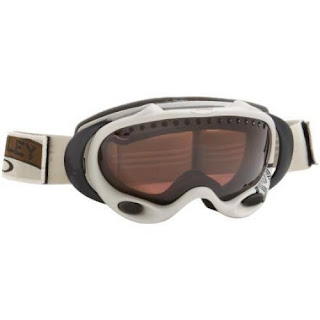
Oakley Snowboarding Goggles.  I picked these goggles up from a girl who had won them at an event she had attended.  I knew they were brand new and worth well over $100 dollars, so I offered her $60 for them and told her to think about it and let me know.  She called me the next day and sold them to me for $60.  I listed them and they sold on eBay for $140.00 plus shipping.


Pots and pans are a hot commodity on eBay. Pots and pans sell very well because people are always looking for new cookware and lids.  Think about all of the people searching eBay who live in the countryside or far from a shopping outlet where these items are readily available.  People would much rather pay for an item to be shipped right to their door rather than have to spend the extra $20 in gas to get to the nearest city to buy it.  Makes sense right?  I've sold many pans with profits between $30-$60 per pan.


So this is a small picture of my first bedroom when I really started getting into selling on eBay.  I had about 80 pairs of brand new Authentic Puma shoes.  These sold well, especially right around the start of school.


People are always looking for clothes online.  Not only do people want to buy new clothes, they want to buy used clothes that have been lightly used.  If you have any old clothes lying around in your room or closet that you are thinking about giving to your nearest donation location, you may want to think about selling them on eBay to get a little extra spending cash.  Don't get me wrong, I love donating old used stuff to people in need, but sometimes it's necessary to sell your own stuff to be able to afford some newer items.


Seasonality plays a large role in whether or not your items will sell.  Although, keep in mind that just because the sun isn't shining in your neighborhood doesn't mean it isn't shining in somebody else's.  Coats, sunglasses, sports items, etc will sell year round, but will sell best when they are in season. 

Questions or Comments? Wondering if certain items you have will sell online?  Ask me below 


Sunday, September 2, 2012

Why you might want to Sell Used Books on eBay and Amazon.com


A short guide to starting and running an online book business, 

by eBay seller, Trent Crane


Used books are probably some of the easiest and most profitable items you can sell online today.  If you would like to work from home and enjoy running your own business, consider a used books business.

In the United States alone, nearly $8 Billion dollars worth of books are sold each year. Nearly $2 Billion dollars worth of those books are sold on eBay.com and Half.com.  Amazon will not release the book figures from its' sales, but it is expected to be over $1 Billion annually.  There is a lot of money being made here, wouldn't you like to be a part of it?

If you are interested in selling books on Amazon.com and eBay.com, there are a few things to know.

One of the easiest businesses that a person can have is selling books online.  Look around, have you noticed how many resellers of books have popped up in strip malls and near college campuses in recent years?  Well....it's because there is so much money to made in the used book industry.  It doesn't take much to get a used book business up and going either.  Normally, you can start for around $20-$100 dollars.  Anybody can do this.

Selling books online is super easy and failure is nearly impossible if you are willing to put in a little effort.

 The only reasons people could fail in this business:
  • Not willing to work, laziness.
  • They won't learn how it works.

Why should I Sell Used Books Online?

Let's take a look at the advantages:
  • Demand. People are always buying books.
  • Access. You probably have books lying around the house that you aren't using.
  • Books are easy to stack and easy to ship.
  • Discount shipping using media mail (specifically for books, and cheap).
  • Stores are always having clearance sales on books.
  • Where else can you buy an item for $0.25 or $0.75 and sell it for $10, $30, or $60+?
  • Putting them online is as easy as scanning a barcode with your smartphone!
  • Books don't take up a lot of space.
  • IT'S EASY.
Make money your first week


 I talk with people almost every day who are struggling to find the right items to sell online.  They are struggling because there are a lot of sellers who are selling the same items making high profit margins nearly impossible.  Used books may have some competition, but it doesn't matter, you can find used books just as easily as anyone else.  Even if you list the books you buy and you don't sell them for tons of profit, chances are you will at least break even and not lose money.  Try it out, what do you have to lose? Gain? 

Profit margins on used books are like none other

Okay, so you might be thinking, "I know nothing about books or which ones would sell."  Don't worry, I'll help you out below.  I always look up a book online before I buy it.  There are several apps out there for smartphones that have barcode scanners that allow you to see where else they are currently selling online, and for how much.  Also, read my article http://tinyurl.com/9gm927o to get more tips on how to research items and the prices that they have sold for in the past.

 The best books to sell online:


  • Cookbooks

  • College textbooks

  • How To books

  • Photography and Art

  • Legal books
  • Medical books
  • Books about cars, trains, trucks, airplanes, etc.
  • History books
  • Sports books
  • Children's books


 Now get out there and try it! Good Luck!
Please comment if you have any questions or need clarification.

Monday, May 7, 2012

        Here is a list of VC's to follow on twitter and also a link to their blog or website.  These are very respected and well known people and groups you'll probably want to get to know if you are interested in business startups and entrepreneurship.  Check them out!


David Dufresne                               
Todd Klein
Max Niederhofer
Vinit Nijhawan
Multiple Authors
@antman102
Rob Schultz
Ouriel Ohayon
Brian Hirsch
Santo Politi
Sid Mohasseb
Rob Day
Marc Averitt
Michael Greeley
Ted Driscoll
Steve Brotman
Martin Tobias
Matt Winn
Sarah Tavel
Stewart Alsop
Rich Tong
Rob Go
Rachel Strate
Rob Hayes
Michael Eisenberg
Chris Fralic
Sagi Rubin
Richard Dale                     
John Ludwig
Dan Rua
Fred Destin
Saul Klein
Vineet Buch
Andrew Parker
Rob Finn
Marc Goldberg
Daniel Cohen
James Chen
David Aronoff
Max Bleyleben
Jeremy Levine
Jason Ball
Mark Peter Davis
Jeff Bussgang
Mike Hirshland 
Jason Caplain
Nic Brisbourne
Ryan McIntyre
Howard Morgan
Raj Kapoor
Christine Herron
Bryce Roberts
Tony Conrad
Guy Kawasaki
David Hornik
Ed Sim
Jeremy Liew
Jeff Nolan
Christopher Allen
Seth Levine
Mo Koyfman
Josh Kopelman
Phineas Barnes
Kent Goldman
Tim Draper
Rich Wong
George Zachary
Fred Wilson
Marc Andreesen
Ben Horowitz
Vinod Khosla
Dave McClure
Brad Feld
Jason Mendelson
Bill Gurley
Jeff Clavier
Paul Kedrosky
Bijan Sabet
Larry Cheng
global VCs ranked by number of Google Reader subscribers
Shervin Pishevar
Mark Suster

Monday, February 27, 2012

How to sell on eBay! A few tips on starting your eBay business!

SELLING ON EBAY.

         
       Selling on eBay is not rocket science, anyone who invests a little bit of time can do it. It will help to be a little savvy in your approach before you quit your day job to sell on eBay full-time. eBay charges you a small fee just to list your item and then a percentage of the final sale price of your item once it sells. You will want to look into the ebay fees by clicking here to determine whether or not it will be worth your time to even sell your item.
        Remember that profits are better than wages. You should be able to start selling on eBay with little or no capital at all. Maybe you have a few old items lying around the house or garage that you don't want anymore. One man's junk is another man's treasure, this holds true on eBay. If you don't have anything to start selling, this is where our next paragraph comes in to play. You can start your eBay business with less than $100 in capital.

WHAT TO SELL.

          
          First of all, you need to decide what it is that you are wanting to sell. You may want to start by searching some of the items already listed for sell on eBay to get an idea of the prices and margins of the items that will sell. You can use listings and prices that you find as a guide to what you are planning to sell. You can “watch” the items that other eBay members have listed by putting a "watch" on their items. You will be able to monitor the progress and see what the selling prices usually end up being. 
          Look closely at how the item is described and make sure that when you describe your item, it is done in a way that is professional and clean. It needs to be written in a way that makes you want to buy the item/s. If you specialize in a certain area, you can really start to make a lot of money. Find what works and then stick with it. For example: If you know old paintings, sell old paintings. If you know golf clubs, sell golf clubs, etc. You get the picture- the great thing is that you can learn and grow while making money!  Another great way to get started is to sell used books, check out my article here "Sell used books" that walks you through the process.

DESCRIPTION

          
          When you are describing an item, do not make things up! It will help you and the people looking at your item if you represent your items clearly and correctly. Do not over-exaggerate or make false claims about what the item is or can do, as many of your potential buyers probably know more about the item than you do! It is better to plead ignorance than to pretend like you know a lot about an item. Less can sometimes be more when describing an item.

ITEM TITLE. 


         The Title of your listing should attract buyers to look at your item. The Title is the most important thing when it comes to selling an item. If you can't get people to look at your item, then they sure aren't going to buy it. Think about it like this, if your title is just as lame as the next guy's, chances are the buyer will buy from him. You want to have something that sticks out and attracts! Key words- think about what the person would type in to search for the item you have and then make sure it's in the title. Don't waste space, use all of the allotted spaces you are given. The title does not have to make grammatical sense. For example, “Tennis Shoes Sneakers Pumas Size Sz 6 Med M.”

PICTURES


         Pictures can make or break your item. Always make sure that your pictures do the item justice and are not misleading. The last thing that you want is for a buyer to be unhappy and leave you negative feedback because you are posting blurry and misleading pictures of items. Use clean and well lit areas to take pictures if possible and provide multiple pictures. People like to see different angles of the things they buy, you wouldn't buy a pair of jeans without looking at the back of them would you? Well I wouldn't, so just be smart about it. Try to make the pictures look as professional as possible.
Make sure that your item gets placed in the right category. Often people don't put items in the right category and they are never seen. If you are trying to sell a pair of shoes in the candles section, you probably won't have much luck.

PRICING STRATEGY.


            Here is where your research really comes in to play. If you start an item at lower prices, you will have more people who look at your item, that does not always mean that more will bid on it. When people see that others are bidding on the item, they have a “fear of loss.” This means that they don't want to miss out on the highly wanted item, so they too will watch and bid on the item. Do not put up items with outrageous prices, they will for the most part sit online and never sell. Every now and again you might get lucky! But think about it like this, would you rather sell ten items for $20 profit each throughout the week, or would you rather sell one item for $100 profit throughout a month? You will do better by selling multiple items. NEVER start a listing for less than what you're willing to accept, unless you have a reserve price set (minimum you'd let your item sell for, people may bid on your item, but if it doesn't reach your set reserve amount, it will not be sold). Always calculate all costs: all Paypal/eBay fees, shipping/DC/packaging materials, item cost, minimum profit you'll accept, self insurance if applicable. The combined total is good marker for where you will need your starting/selling price to begin.

SHIPPING.


          Okay, so potential bidders will look at what you are charging for shipping and make a split second decision on whether or not you are a fair eBayer. People really get put off by shipping charges that are too high and unfair. Free shipping attracts buyers and you will more than likely be able to get more money for your item , which in turn will cover the original shipping cost you thought would be fair. It pays to do good and to give good deals. Don't try and make excess money by charging more for shipping than necessary, that can really hurt your ratings. Very Important: always pay the tiny bit extra for DELIVERY CONFIRMATION when shipping items. Although we would love to believe everyone is honest, there have been a few times that people will report they never received the item that was shipped. Without the tracking confirmation, you will be out the shipping costs, the item, your money and time. Just trust me on this one, it's worth the extra .80 cents! :) For high priced items over $100, I usually get insurance and a signature of buyer on arrival, also a good way to cover your tail. Some buyers will want their item shipped quicker. By offering quicker shipping and other options, people will like that, especially if they need it ASAP!

Remember that your integrity is very important in your eBay business. You are dealing with real people and real money. Do all you can to make sure that you help others, you respond to their questions in a timely manner, and you provide something of value that they want. By helping enough others get what they want, you will automatically get what you want.


I hope that this will help you in starting your eBay business!


If you have any questions, let me know at t3investing@gmail.com or post a question in the comment section below!

Wednesday, November 30, 2011

The Dressing Rules You Should Know by Adam Morgan

This is an article written by a friend and online business coach. You should find some useful ideas from this article, I know I did.

“Present to win or prepare to lose.” Timothy J. Koegel

I’ve come to realize that people are so tied up in themselves that they fail to see the ripples that they are creating. Every choice makes a ripple. It will either be a positive or a negative one. The choice I wish to discuss today concerns our appearance. When you choose the appropriate dress attire, you create a positive ripple.

What does it mean to dress for success?

Dressing for success means that you take your appearance seriously. When people see this, they are prepared to listen to you and join you. You win their respect. If you own a business, then you know that this is huge. People will also know that you take your business seriously too.

I understand that some people may not have the money to dress nicely. I’m not talking about dressing fancy, I’m talking about dressing in a way where people know that you want to win. In other words, dressing for success is selfless and dressing sloppy is selfish. It must be made clear that dressing for success is mostly for others before it is for you.

Why should I dress for success?

Trace your mind back to the times when you went to church and others were dressed sloppy. What was the ripple that they created? Without realizing it, these individuals created negative ripples. In church, they are distracting the energy and purpose of the meeting. When a newcomer enters the room and sees men without ties, shirts untucked, women wearing flip flops, and etc, they receive the negative ripple. They instantly say to themselves, “is this a group I want to be a part of?”

“You never get a second chance to make a first impression.”

Church isn’t the only atmosphere where appearance distracts from the energy of the meeting. Whenever you’re at a leadership function, you’re subconsciously judging people’s appearance. If you want to win and make good impressions, then start dressing for success by choosing appropriate dress attire.

It is simple to dress for success.

The surefire way to know if you’re dressing for success is to ask yourself: “Am I giving to the team or taking from the team?”

Some common ways to dress for success:

* Wear dark socks under your slacks.
* Tuck your shirt in.
* Make a solid knot in your tie and button the top button.
* Polish your shoes.
* Shave your face if you’re a guy.
* Iron the wrinkles out of your shirt.

Challenge for today.

If you are a mother or father reading this article, then you must know that it is your responsibility to teach your children this when they are young. If they don’t learn it when they are young, then it may be too late down the road. You want your kids to win. You may or may not know this, but the way your kids dress is a direct reflection of you. What message are you sending out?

There have been many occasions where I’ve seen young boys wandering the church without a tie on. It looks bad, and I realize that it may be hard to find ties to dress your boys with. That is the reason that I will give you a link to help you find ties for them. Neck-Strings has youth ties. They look great.

Thanks for reading! Don’t forget to comment and share with your friends so that they may also know how to choose the appropriate dress attire.

Check out more great posts by Adam Morgan at www.my5newfriends.com

Wednesday, July 27, 2011

5 habits holding you back -- and how to change them!

5 habits holding you back -- and how to change them

by FITNESS Magazine, on Mon Jul 25, 2011 8:21am PDT

I was meeting my friend Linda at our favorite Brooklyn cafe to discuss a project. "Six, sharp. I'll see you then," I promised. And by 6:15 p.m., there sat Linda, with a cool margarita in front of her and steam coming out of her ears. I breezed in at 6:30, full of apologies and excuses. But it was no use: I was late -- again -- and she was furious. She tartly informed me that if I kept her waiting once more, I'd be kicked off the project.
Everyone's got bad habits such as lateness or procrastination. But if you consistently act in ways that cause you to lose face, lose friends, or fail when a goal is within reach, your harmless personality quirks may have morphed into serious self-sabotage. "A bad habit becomes destructive when your behavior causes more than momentary regret and leaves you feeling disappointed in yourself," says Pauline Wallin, PhD, author of Taming Your Inner Brat.

Why do we derail our own happiness? Experts attribute it to a variety of unconscious beliefs: nagging doubt about whether we really deserve what we're striving for; apprehension that we won't be able to handle increased expectations and responsibilities; even fear that our achievement may isolate us from our peers or family members.

To overcome self-sabotage, you must first identify its origin and then take steps to interrupt the cycle. Here are five ways you might be tripping yourself up, and suggestions for how to (finally) get out of your own way.


Fatal Flaw #1: You procrastinate.
Tomorrow is soon enough. Besides, you excel under pressure.


The ugly truth: You're secretly afraid your work won't be perfect and you'll be outed as a fraud. "Procrastinators tend to be very concerned about what other people think of them," says Joseph Ferrari, PhD, a professor of psychology at DePaul University in Chicago. "If you worry that you will never perform as well as you have in the past, fear of failure may be halting your progress." Putting off work provides a ready-made excuse: Instead of admitting failure, you can always blame your busy schedule and overbooked calendar. "That way, you can tell yourself the project would have been successful if only you'd had more time," Ferrari explains.

The fix: Play the worst-case-scenario game. The next time your grasp on deadlines starts to slip -- something even the worst procrastinator can recognize -- take a moment to look inward for the source of your foot dragging. Ask yourself what's the absolute worst that could happen. Then spin the consequences out to their most ludicrous degree: Would your family and friends disown you? Would you end up starving and homeless? Would the cat die? Once you've realized things aren't so awful, you can get past the anxiety and focus on the work, says Ferrari.

Related: No More Excuses: 18 Ways to Stick to Your Goals


Fatal Flaw #2: You shop yourself into bankruptcy.

You deserve to have nice things -- but unfortunately treating yourself can lead to lively early-morning chats with bill collectors and a colorful credit report.

The ugly truth: "Impulse shopping is another way to mask negative feelings," explains Dana Lightman, PhD, a behavioral psychologist in Philadelphia. So, like emotional eaters who gorge on ice cream when they're down, chronic spenders try to numb feelings of boredom, depression, or inadequacy by filling up on stuff. With every shiny new purchase, splurge-aholics tell themselves: Well, okay, so I didn't solve that nagging problem today, but at least I cleaned out the shoe department at Nordstrom. Some people find it easier to decorate their lives in an effort to create the appearance, rather than the substance, of success. Mind you, there's nothing wrong with a little retail therapy, but if you're sinking into debt, regularly paying your bills late, and not achieving your financial goals, then it's a problem you literally can't afford.

The fix: Know yourself as well as you know what you own. Carol Leslie, an executive coach in Cleveland, suggests you use a trusty dieters' trick to keep track of the things you normally do without thinking -- like polish off a quart of ice cream. Or, in this case, shop. Attach a small, thin notebook around your wallet with a rubber band so that it can serve as a reminder to write down your feelings whenever you're tempted to mindlessly reach for plastic. Pretty soon you'll begin to recognize what sets you off before you click "Buy Now!" -- and learn to find healthy distractions instead. "Go for a run, talk to a friend, see a movie, do anything that will get you out of a shopping mode," says Leslie.

Related: 20 Ways to Shop Smarter, Cook Faster, and Eat Healthier


Fatal Flaw #3: You binge when your goal weight is within sight.

You've earned some quality just-us girls time with your old pals Little Debbie, Mrs. Fields, and Sara Lee.


The ugly truth: You may not have been prepared for the male attention your new body brings, which can make you feel vulnerable. Or maybe your friends seem jealous of your success, and you're uncomfortable with their scrutiny. Getting down to a healthy weight also means maintaining it, which is a tough task unto itself. Plus, when things don't go your way -- you get dumped or you don't get the job you went after -- you can't use your "It's because I'm fat" excuse. "Life often feels simpler without these issues, and it's easier to eat a whole bag of potato chips and retreat to your fatter, safer world," explains Connie Tyne, executive director of the Cooper Wellness Program in Dallas.
The fix: See yourself the way others do. It's hard to stop thinking of yourself as overweight even after the pounds are gone. But improving your self-image can help ease the emotional transition into smaller sizes, says Linda Spangle, RN, author of 100 Days of Weight Loss. "Enroll in a public-speaking class to build self-esteem and increase your comfort level around people." You can also get a boost by making a list of your greatest attributes, which is what most people notice anyway. "Describe what you're like at your best," Spangle suggests. "Maybe you're energetic or you smile a lot or regale your friends with funny stories. Thinking in terms of confidence and strength makes you act in terms of confidence and strength."

Related: Real Women, Real Beauty: Why Our Flaws Are Beautiful


Fatal Flaw #4: You're habitually late.

It's never your fault -- your mom called, the dog got sick, traffic was brutal...

The ugly truth: Being late could be your passive-aggressive way of getting back at those who force you to adhere to their timetable. "Blaming your tardiness on a hectic schedule is easier than admitting you're resentful about constraints being placed on your time," says Spangle. Your chronic lateness may also be a sign that you're subconsciously trying to undermine the situation, lash out at a friend or, in the case of work, get fired. If you're late for something that is a big taboo, like a job interview, it may show your ambivalence about whether you really want the gig. "Rather than risk a poor showing in the new position, you ensure that the opportunity never arises," says Rebecca Curtis, PhD, professor of psychology at Adelphi University.

The fix: Make up your mind. Be clear about what you want. "If it's a career issue, ask yourself if your interest in your job is waning," says Kathryn Cramer, PhD, author of Change the Way You See Everything Through Asset-Based Thinking. "Being late is a way of disconnecting. This can be a warning that it's time to take stock and either recommit yourself or make a change." Bonus hint: Be proactive and adjust your actions or attitude rather than wait to get canned. You're always better off controlling events instead of waiting for them to control you.

Related: Stress Busters: Simple Ways to Chill Out Now


Fatal Flaw #5: You pick fights with your partner.
"I can't help it. He used to be great but now he's just driving me crazy."

The ugly truth: Creating unnecessary drama in your relationship is typically a holdover from childhood, explains James Tobin, PhD, clinical instructor of psychology at Harvard Medical School. While you were growing up, a parent unknowingly may have established conditions for love, and you've unconsciously learned that you have to look a certain way, act in a particular manner, or achieve certain goals before you're deemed worthy. The result: "You end up fearing that just as you're ready to make a commitment, your partner will see your true self and find a reason to not love you," says Tobin.

The fix: Don't jump to conclusions. Maybe your analysis of his behavior is just wrong. For instance, if your boyfriend had to cancel your big night out on the town, that doesn't necessarily mean he wants out of the relationship. Maybe he really did have to work late. Remember, even people who love you get caught up in their own lives. The realization that many things have little or nothing to do with you can mitigate the drama, says Tobin. "It's like changing the rearview mirror in your car. If you rotate it just a little bit, you get a whole new perspective."

Thursday, June 16, 2011

Define Your Dream & Go Make it Happen !


"I like to believe it’s better to be prepared and to never have the opportunity than to have the opportunity and not be prepared.

As my grandmother grew older she got really sick. My uncle called the family and said we’d have to put her in the county hospital. Now, there is nothing wrong with the county hospital. I know these people mean well, but many times they are overworked and underpaid. But because I worked hard to achieve my dream, we had the resources to put her in a private home with around-the-clock care.

Realize that the cost each month for her care was more than my dad ever made as a university professor with a PhD. Yet we were able to pay that every month.

Do you think she lived for another year? Two? Three? The doctors gave her 6 months, yet she lived another seven years. She didn’t die in a hospital bed with a bunch of bedsores. She died without a single one because of the personal care that we were able to provide for her.

What can you do with the money you make? You choose!

Some people say, “I don’t want the big boat on the lake or the lake house. I just want to do good for others.”

Do you want to know what’s exciting? It’s not either-or; you can do both. You aren’t limited by a single choice. You don’t have to choose shoes for your children or the Ferrari. I wouldn’t be too happy with myself if I had a Ferrari and I couldn’t afford school clothes for my children. The fun thing is you can drive a Ferrari and have shoes and clothes for your children.

You get to do both! It’s not an either-or! God is a god of abundance; you get to choose and you get to choose whatever you choose. You choose where you give and what you do. So, choose! Choose! Choose! But mostly, choose to live your dream. Define your dream and then go make it happen."

Sunday, June 12, 2011

YOU determine your Income!

My first mentor, Mr. Shoaff, over a five-year period of time when I was age 25 to 31, taught me some extraordinarily simple things, before his untimely passing at age 49. He only went through the 9th grade in school. He never finished high school, never went to college, never went to a university. So he put his experiences and ideas in very simple language, which, I think for me—a kid from the farms of Idaho—was so important.
When I would say, "This is all the company pays," Mr. Shoaff would say, "No, that is all they pay you." I thought, "That is a new way to look at it." I told him things cost too much. But he said, "No, you can't afford them." Well, that was a new concept for me. He promised that if I would improve, then I would qualify for more money. So I learned that we don't have to work on the company, we have to work on ourselves. Now if it had been technical, I would have missed it. If it had been mystic, I would have backed away. But it was just basic, blunt "a-b-c" stuff that I hadn't thought of before. For me it was the beginning of what he called "personal development."
Mr. Shoaff also taught me that life puts some of the more valuable things on the high shelf so that you can't get to them until you qualify. If you want the things on the high shelf, you must stand on the books you read. With every book you read, you get to stand a little higher.
And the "biggie" that forever had an impact on me: "Success is something you attract by the person you become." That phrase changed my life. Success is not to be pursued, but to be attracted by the person you become. Put your energy into becoming a better you, the best you. Learn the skills. Practice the skills. Attract the success.
By Jim Rohn

Tuesday, April 12, 2011

Successful Entrepreneurs: The World's Richest School Drop Out Billionaires

Do you feel dejected or left behind by your peers because you don't have a college degree? Do you see your supposed illiteracy as a limitation to achieving your dreams? Or are you in the group that thinks education is the ultimate yardstick for success? If any of these questions best describes you, then please read on.

How does it sound to your ears that most of the world's richest men and women were school drop outs? Well don’t be surprised; it’s the truth.

"I have nothing against education. But at times, education gives people false confidence. It makes people relax, trusting in the power of their certificates rather than in working hard." – Rasaq Okoya

Today, I will be sharing with you a brief compilation of the entrepreneurial success stories of self made men and women; who took the bull by the horn by building a business, without being held back by the lack of a college degree. These men and women found their entrepreneurial spirit, surmounted business challenges, completed the entrepreneurial process and became successful entrepreneurs.

"I have been within the four walls of school and I have been on the street. I can confidently tell you that the street is tougher, challenging, daring, exciting and more rewarding. In school; you play alone. But on the street, you play with the big boys." – Ajaero Tony Martins

"Behind every adversity is an opportunity. If you lament over the adversity, you will miss the opportunity." – Ajaero Tony Martins

Successful Entrepreneurs: The World's Richest School Drop Out Billionaires

1. Bill Gates: He is the billionaire co-founder of Microsoft Corporation, the world largest software company. Dropped out of Harvard to focus on building Microsoft. According to Forbes magazine, Bill Gates has held the position of the world richest man for thirteen consecutive years and he not showing a sign of letting go that position.

"To win big, you sometimes have to take big risks." – Bill Gates

"We were young, but we had good advice good ideas and lots of enthusiasm." – Bill Gates

2. Thomas Edison: Thomas Edison was labeled dumb and scatterbrain by his school teachers but he went on to become one of the world's greatest inventors and founded General Electric; one of the most powerful companies in the world.

"Many of life's failures are people who did not realize how close they were to success when they gave up." – Thomas Edison

3. Orji Uzor Kalu: He is one of the richest men on the soil of Africa. This young billionaire was rusticated from college for his participation in a student's protest. Instead of lamenting over his predicament; he started trading on palm oil and from that humble beginning, he grew his business into a conglomerate "Slok Group." Though he was later pardoned by the school authorities, he rejected the amnesty offer thereby refusing to return to school.

"A good businessman must have nose for business the same way a journalist has nose for news. Once your eyes, ears, nose, heart and brain are trained on business, you sniff business opportunities everywhere.” – Orji Uzor Kalu

4. Li Ka Shing: Billionaire owner of Hutchinson Whampoa; one of the largest conglomerates in Hong Kong, with operations that span over fifty countries and more than 220,000 staff worldwide. Dropped out of school at the age of 15 and started out by selling watch bands.

"The first year, I didn’t have much capital so I did everything myself. I had to keep my overhead low by learning everything about running a business, from accounting to fixing the gears of my equipment. I really started from scratch." – Li Ka Shing

5. Richard Branson: Best known for his adventurous spirit and outrageous business tactics. He dropped out of school at the age of 16 to start his first successful business venture; Student Magazine, bought his own 79-acre Caribbean island when he was just 24 and he was knighted in 1999. He is the billionaire founder of the Virgin brand and its 360 companies. His companies include the famous Virgin Atlantic Airways.

"I wanted to be an editor or journalist. I wasn't really interested in becoming an entrepreneur, but I soon found I had to become an entrepreneur in order to keep my magazine going." – Richard Branson

Successful Entrepreneurs and World's Richest School Drop Out Billionaires


6. Lawrence J. Ellison: Larry Ellison dropped out of college twice and was told by his adoptive father that he would never amount to anything but he went on to become a billionaire by building Oracle, the world's second largest software company.

"I have had all the disadvantages required for success." – Larry Ellison


7. Michael Dell: He dropped out of college at the age of 19 to start PC’s Limited; later renamed Dell Computers Inc. Dell became the most profitable PC manufacturer in the world making Michael Dell a billionaire.

“I had to give it a full go and see what happened.” – Michael Dell

8. Steve Jobs: Billionaire co-founder of Apple Inc and Pixar; dropped out of Reed College to start Apple.

9. Henry Ford: This automobile billionaire was born in abject poverty. He never saw the four walls of school but he went on to build Ford Motor Company and become one of the richest men that ever lived.

"Thinking is the hardest work to do, that's why so few people are engaged in it." – Henry Ford

10. Walt Disney: Walt, regarded as the most influential animator because of his creativity with cartoons. He dropped out of high school at 16 and founded Walt Disney; a company which now has an annual revenue of about $30billion.

"If you can dream it, you can do it." – Walt Disney

Successful Entrepreneurs and World's Richest School Drop Out Billionaires


11. Ray Kroc: Billionaire Ray Kroc never saw the four walls of school and spent most of his life working as a salesman. He bought McDonald's in 1961 for $2.7m and grew it into a multi billion dollar company.

"Press on. Nothing in the world can take the place of persistence. Talent will not; nothing is more common than unsuccessful men with talent. Genius will not; the world is full of educated derelicts. Persistence and determination alone are omnipotent." – Ray Kroc

12. Debbi Fields: A 20 year old housewife with no education and business experience started Mrs. Fields Chocolate Chippery and became the most successful cookie company owner. She later renamed, franchised, and then sold Mrs. Field’s Cookies.

“You don’t have to be superhuman to do what you believe in.” – Debbi Fields

13. Cosmos Maduka: Nigerian Elementary school drop out and billionaire founder of the Coscharis Group.

14. Ingvar Kamprad: Billionaire founder of IKEA. He dropped out of high school at the age of 17 to start IKEA; now the top home furniture retailer in the world, with over 90,000 employees working in its 200-plus stores, and annual revenues in excess of $10 billion.

"I'm not afraid of turning 80 and I have lots of things to do. I don't have time for dying." – Ingvar Kamprad

15. Carl Lindner: Billionaire investor and founder of United Dairy Farmers. He dropped out of high school at the age of 14 to deliver milk for his family diary.

Successful Entrepreneurs and World's Richest School Drop Out Billionaires


16. Simon Cowell: Famous for his involvement in American Idols, he dropped out of school at age 16 and started his own record label "Fanfare" at the age of 23.

“Good is not enough; you’ve got to be great.” – Simon Cowell

17. Mary Kay Ash: Founder of Mary Kay Inc and best known as the most outstanding business woman in the 20th century. Mary never saw the four walls of school.

"When you reach an obstacle, turn it into an opportunity. You have the choice. You can overcome and be a winner, or you can allow it to overcome you and be a loser. The choice is yours and yours alone. Refuse to throw in the towel. Go that extra mile that failures refuse to travel. It is far better to be exhausted from success than to be rested from failure." – Mary Kay Ash

18. Coco Chanel: Fashion magnate and founder of the Coco Chanel brand, she never saw the four walls of school.

19. Wayne Huizenga: Wayne is the only person in history to build three Fortune 1000 companies practically from scratch: Waste Management Inc, Blockbuster Entertainment and AutoNation. He is the only person to have developed six NYSE-listed companies.

He also owns the Miami Dolphins and is previous owner of the Florida Marlins baseball team and the Panthers hockey team, making him the only person ever to own three pro teams in a single market, two of which won national championships. He dropped out of college to join a friend in a garbage collection business.

20. Barry Diller: This billionaire media magnate dropped out of college to start Fox Broadcasting Company. He is chairman of Expedia, and was once the CEO of IAC/InterActiveCorp which includes Home Shopping Network and Ticketmaster.

“There’s a world in which reasons are made up because reality is too painful.” – Barry Diller

21. Andrew Carnegie: Founder of Carnegie Steel Company and one of the richest men that ever lived. Born in abject poverty, Andrew never saw the four walls of school.

"I shall argue that strong men conversely know when to compromise and that all principles can be compromised to serve a greater purpose." – Andrew Carnegie

Successful Entrepreneurs and World's Richest School Drop Out Billionaires


22. Sir Philip Green: Billionaire retail mogul and owner of the Arcadia brand, he dropped out of school at the age of 16. After four business failures, Philip Green made his first million at the age of 33.

“If you’ve got a natural talent, I think it’s fantastic. If I wasn’t in retail, being a singer or a tennis player would be a better idea.” – Sir Philip Green

23. Madame C. J. Walker: She was born into the family of ex-slaves and farmers. Despite being widowed at the age of 20 and faced with extreme hardship, she started a cosmetics business and went on to become the first American self made female millionaire.

"I had to make my own living and my own opportunity! But I made it! Don't sit down and wait for the opportunities to come. Get up and make them" – Madam C.J. Walker

24. Mark Zuckerberg: The youngest billionaire in the world, dropped out of Harvard to promote his social networking platform; Facebook. As at 2010, he was 23 years and worth $4billion.

25. Ted Turner: Billionaire drop out media mogul and founder of CNN; pledged a billion dollars to the United Nation.

"All my life, people have said that I wasn't going to make it." – Ted Turner

"Over a three year period, I gave away half of what I had. To be honest, my hands shook as I signed it away. I knew I was taking myself out of the race to be the richest man in the world." – Ted Turner

26. Cornelius Vanderbilt: Dropped out of school at the age of 11, began operating his own boat at the age of 16 and became one of the richest men in history.

“If I had learned education, I would not have had time to learn anything else.” - Cornelius Vanderbilt

27. Mayer Amschel Rothschild: was born in a ghetto; started business as a money lender and built the largest private fortune in history. He never saw the four walls of school.

“Give me control over a nation’s money supply and I don’t care who make the laws.” – Mayer Amschel Rothschild

28. Ty Warner: Billionaire real estate investor, hotel owner, sole owner, CEO, and Chairman of Ty, Inc. Ty Warner is a savvy, yet private business man. Ty, Inc; made $700 million in a single year with the Beanie Babies craze without spending money on advertising. He has since expanded to include Ty Girlz dolls, directly competing with Bratz dolls.

29. Howard Hughes: Dropped out of California Institute of Technology and Rice University; founded Hughes Aircrafts and Co and went on to become a billionaire.

“I intend to be, the richest man in the world.” Howard Hughes

30. Giorgio Armani: Billionaire founder of the fashion brand; Giorgio Armani S.P.A. Dropped out of medical school at the University of Bologna because he couldn’t stand the sight of blood.

"Remain true to yourself and your philosophy." – Giorgio Armani

Successful Entrepreneurs and World's Richest School Drop Out Billionaires


31. Asa Candler: Founder of the Billionaire company and world’s most popular brand; Coca Cola. He dropped out of school at the age of 10.

32. Jenny Craig: With no college degree, this woman started Jenny Craig Inc from scratch and grew it to become one of the largest and most recognized companies in the weight management industry.

"If I make a commitment to something, I will stick to it no matter what." – Jenny Craig

33. Rachael Ray: Despite having no formal training in culinary arts, Rachel Ray made a name for herself in the food industry. With numerous shows on the Food Network, a talk show and cookbooks, high-energy Rachael never slowed down. She has also appeared in magazines as well has having her own magazine debut in 2006.

34. Milton Hershey: With only a fourth grade education, Milton Hershey started his own chocolate company. Hershey’s Milk Chocolate became the first nationally marketed chocolate.

35. Frank Lloyd Wright: surpassed all odds to become the most influential architect of the twentieth century. Frank Lloyd Wright designed more than 1,100 projects with about half actually being built. He never saw the four walls of high school.

36. David Geffen: billionaire founder of Geffen Records and co-founder of DreamWorks.

“I never went to business school. I was just bumbling through a lot of my life. I was like the guy behind the curtain in the Wizard of Oz.” – David Geffen

37. Billy Joe (Red) McCombs: founder of Clear Channel media, real estate investor.

38. Craig McCaw: billionaire founder of McCaw Cellular.

39. Dave Thomas: billionaire founder of Wendy’s.

“There’s no one to stop you but yourself.” – Dave Thomas

40. Jay Van Andel: billionaire co-founder of Amway.

Successful Entrepreneurs and World's Richest School Drop Out Billionaires


41. Micky Jagtiani: billionaire retailer, Landmark International

42. John Paul DeJoria: billionaire co-founder of John Paul Mitchell Systems and Patron Spirits tequilla.

43. David Green: billionaire founder of Hobby Lobby.

44. Frederick “Freddy” Laker: billionaire airline entrepreneur.

45. Kirk Kerkorian: billionaire investor, owner of Mandalay Bay and Mirage Resorts, and MGM movie studio.

46. Leandro Rizzuto: billionaire founder of Conair

47. Leslie Wexner: billionaire founder of Limited Brands.

48. Marc Rich: billionaire commodities investor and founder of Marc Rich & Co.

49. S. Daniel Abraham: billionaire founder of Slim-Fast.

50. Theodore Waitt: billionaire founder of Gateway Computers.

51. Y.C. Wang: billionaire founder of Formosa Plastics.

Successful Entrepreneurs and World's Richest School Drop Out Billionaires


52. Paul Allen: billionaire co-founder of Microsoft Corporation; dropped out of Washington State University.

53. Ralph Lauren: Billionaire fashion mogul. Studied business at Baruch College for two years and dropped out.

54. Dean Kamen: Billionaire Kamen holds more than 80 US patents; famous for the Segwey PT, Auto syringe and IBOT robotic wheelchair; dropped out of Worcester Polytechnic.

55. Dhirubhai Ambani: Famous founder of Reliance Group and father to two billionaires; Anil and Mukesh Ambani. Started Reliance Industries from scratch and never saw the four walls of school.